Great Barrier Reef Tours - Whale Tours | Whale Watching
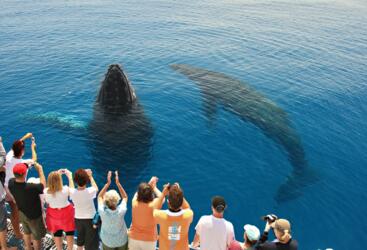
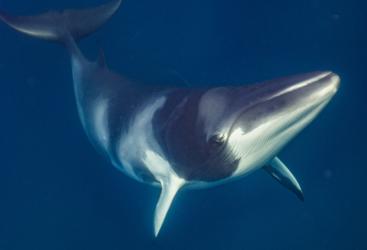
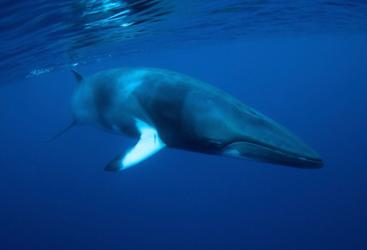
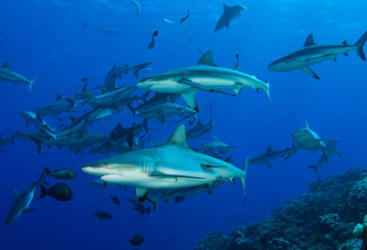
Whale Tours - The Great Barrier Reef is the capital for for amazing marine life encounters including witnessing the amazing whales during their annual migration. Swim with Dwarf Minke whales, swim with humpback whales, and dive with sharks on a liveaboard dive trip or whale watching tours, Join a whale watching tour in Hervey Bay, Townsville or Cairns. The Great Barrier Reef is home to an abundance of world-class marine life experiences and magical encounters year round.
Whale Tours
Whale Tours - The Great Barrier Reef is the capital for for amazing marine life encounters including witnessing the amazing whales during their annual migration. Swim with Dwarf Minke whales, swim with humpback whales, and dive with sharks on a liveaboard dive trip or whale watching tours, Join a whale watching tour in Hervey Bay, Townsville or Cairns. The Great Barrier Reef is home to an abundance of world-class marine life experiences and magical encounters year round.







Frequently asked questions about Whale Tours
When is whale watching season in Queensland?
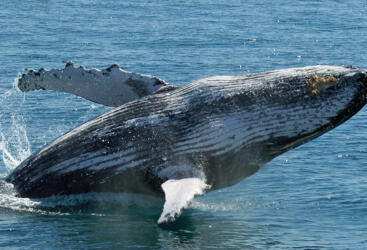
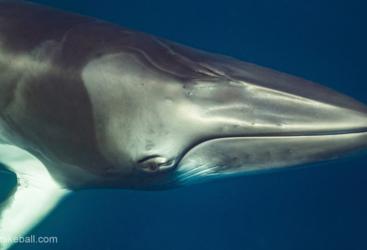
Whale watching season in Queensland generally runs from late May through to early November, aligning with the annual humpback whale migration along Australia’s East Coast. Peak viewing months are typically July to October, when whales travel north to breed in the warm waters of the Great Barrier Reef and then return south with their calves. Booking during peak season significantly increases the likelihood of active behaviours such as breaching, tail slapping, and spy-hopping. Minke Whales are often seen in the northern waters off the coast from Port Douglas and Cairns June to August.
Where is the best place to see whales in Queensland?
Hervey Bay is widely regarded as Queensland’s premier Humpback whale watching destination. It is one of the only locations along the migration route where humpback whales stop to rest and socialise in calm, protected waters. The Whitsundays and Far North Queensland offer excellent whale sightings, along with the Minke Whales where you can also have the opportunity to swim with them when onbaord a licenced tour operator.
What types of whales can you see in Queensland?
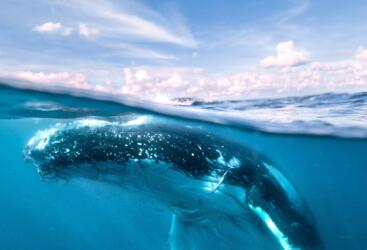
Humpback whales are the primary species encountered on Queensland whale watching tours. During peak migration, large numbers travel along the coastline and through the Great Barrier Reef region. In Far North Queensland, dwarf minke whales may be encountered during highly regulated seasonal liveaboard expeditions on the Ribbon Reefs. Other species are occasionally sighted offshore, but humpbacks dominate the Queensland season.
Are whale sightings guaranteed?
Most licensed whale watching cruise operators in Hervey Bay offer a sighting guarantee during peak season. If whales are not sighted, guests are usually offered a complimentary return trip within the same migration period. Sightings are highly reliable in Hervey Bay and along the Gold Coast corridor between July and October and June and July in Port Douglas.
How close can boats get to whales in Queensland?
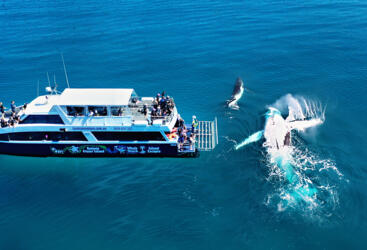
Whale watching tours in Queensland operate under strict Queensland Government and Great Barrier Reef Marine Park regulations. Vessels must generally maintain a minimum distance of 100 metres from adult whales and 300 metres from mothers with calves. However, whales are often inquisitive and may voluntarily approach vessels, creating memorable close encounters while remaining compliant with wildlife protection laws.
Are there swim-with-whale tours in Queensland?
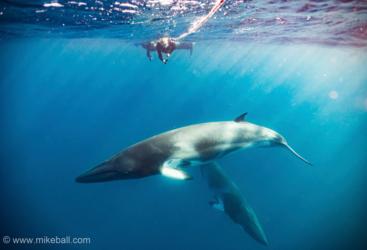
Swim with whale experiences in Queensland are extremely limited and tightly regulated. Traditional whale watching tours observe whales from licensed vessels only. In Far North Queensland, dwarf minke whale encounters are permitted under special seasonal dive permits on select liveaboard expeditions and day tours. These experiences are subject to strict environmental guidelines and limited availability.
How long do whale watching tours in Queensland last?
Most whale watching tours operate as half-day experiences lasting between two and four hours. Tours from Hervey Bay typically allow extended viewing time due to the calm, sheltered waters. Cairns and Port Douglas departures may travel further offshore depending on whale activity and sea conditions, and are generally full day or over night liveaboard tours.
Are whale watching tours suitable for families and older guests?
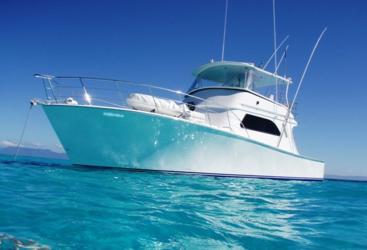
Yes, Whale watching tours in Queensland are suitable for most age groups, particularly on larger, purpose-built catamarans that provide greater stability and onboard comfort. Sea conditions can vary, so travellers with mobility concerns or sensitivity to motion should choose vessels designed for smooth offshore cruising. The Tour Specialists can recommend the most suitable tour based on group size, mobility and comfort preferences.
Why book Queensland whale watching tours with The Tour Specialists?
The Tour Specialists work with licensed whale watching operators across Hervey Bay, the Whitsundays, and Far North Queensland. Our team understands seasonal migration patterns, peak viewing windows, and vessel differences, helping travellers choose the right location and timing. With strong regional expertise and direct operator relationships, we focus on matching guests to the most suitable whale watching experience. Read more about whale watching tours and swimming whales in Queensland.
 Whatsapp
 Facebook
 Instagram